
 Rebecca Jordan
Justice for Construction Workers: Why Legal Representation Matters
Construction workers are the backbone of infrastructure development, yet they often face significant challenges in terms of safety, fair wages, and overall working conditions. In many cases, these workers rely heavily on legal representation to uphold their rights and ensure justice. The importance of legal advocacy for construction workers cannot be overstated, as it directly impacts their livelihoods and well-being.
Ensuring Safety Standards:
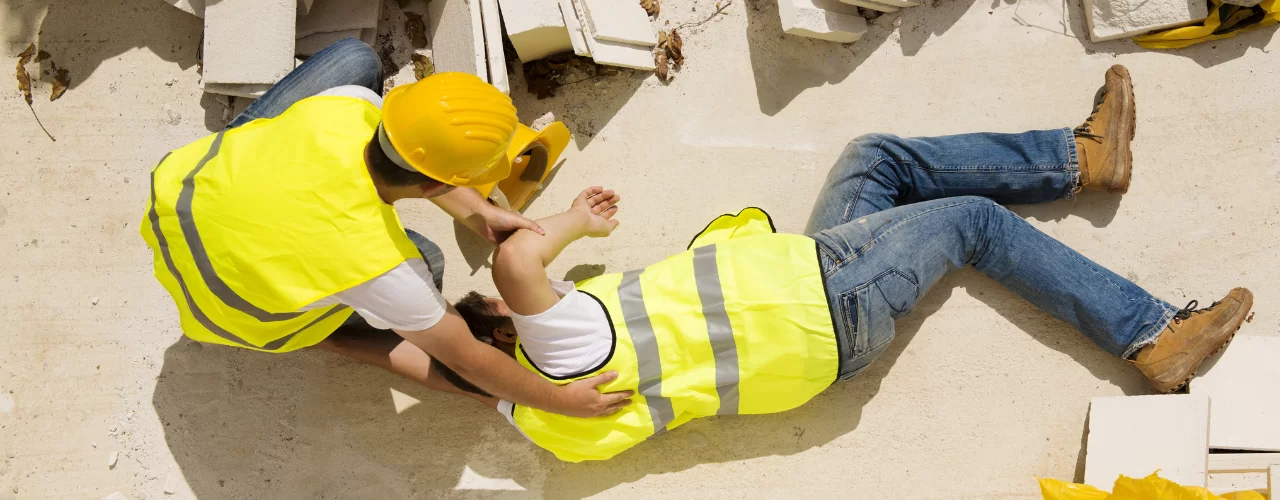
One of the primary roles of legal representation for construction workers is to enforce safety standards on construction sites. Despite regulations and protocols, accidents and injuries are common in the construction industry. Legal experts specializing in labor law can hold employers accountable for maintaining safe working conditions, providing necessary safety equipment, and adhering to occupational health guidelines. This legal oversight is crucial in preventing accidents and protecting workers from hazardous environments.
Securing Fair Compensation:
Construction work can be physically demanding and hazardous, yet fair compensation isn’t always guaranteed. Legal representation helps ensure that workers receive fair wages for their labor. This includes fighting against wage theft, ensuring proper payment for overtime and holiday work, and advocating for benefits such as health insurance and retirement plans. By negotiating on behalf of the workers, legal professionals contribute to improving their economic stability and quality of life.
Protecting Against Discrimination and Harassment:
Discrimination and harassment are unfortunately prevalent in many workplaces, including construction sites. Legal representation plays a pivotal role in safeguarding workers against such mistreatment. Attorneys can pursue legal action against employers who discriminate based on race, gender, age, or disability, and advocate for policies that promote inclusivity and equal treatment. This protection fosters a work environment where all workers feel respected and valued.
Navigating Complex Legal Processes:
The legal landscape can be daunting for anyone unfamiliar with its intricacies. Construction workers, often without formal legal training, may struggle to navigate issues such as workers’ compensation claims, contract disputes, or wrongful termination. Legal representation provides invaluable guidance through these complex processes, ensuring that workers understand their rights, obligations, and available remedies. This assistance empowers workers to assert their legal rights effectively.
Advocating for Legislative Changes:
Beyond individual cases, legal representation for construction workers contributes to broader advocacy efforts. Legal experts can lobby for legislative changes that improve working conditions, strengthen labor protections, and enhance safety standards across the industry. By engaging in policy advocacy, attorneys amplify the voices of construction workers and push for systemic reforms that benefit the entire workforce.
In conclusion, legal representation is indispensable for achieving justice and fairness for construction workers. From ensuring safety on job sites to securing fair compensation and protecting against discrimination, attorneys specializing in labor law play a pivotal role in upholding the rights and dignity of construction workers. Their advocacy not only resolves individual grievances but also drives systemic improvements that benefit the entire industry. As we continue to recognize the contributions of construction workers to our communities, supporting their access to legal representation remains crucial in fostering a more equitable and safer working environment.